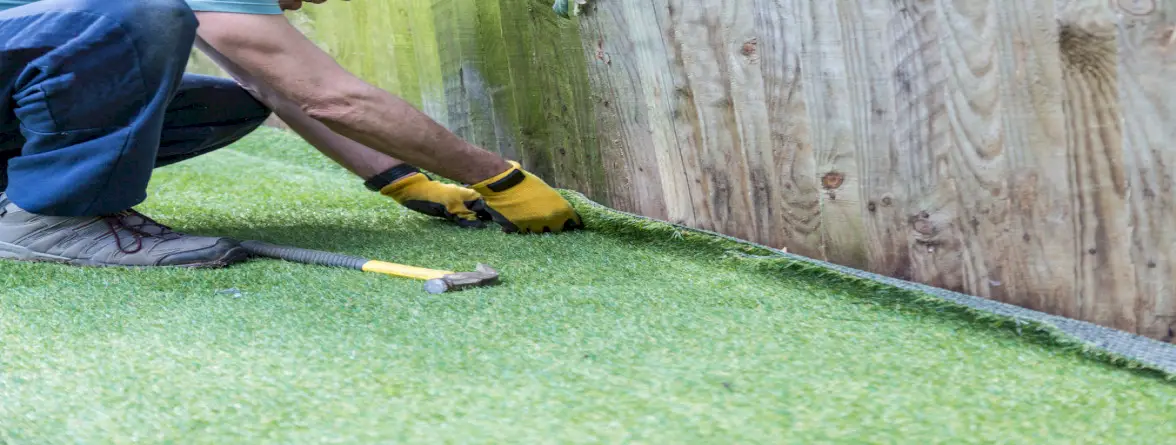
One of the biggest advantages of an artificial grass lawn is how low-maintenance it is compared to natural grass. But that doesn’t mean you can set it and forget it. To keep your synthetic grass looking fresh and lasting for years, some regular upkeep is necessary. Luckily, cleaning artificial turf is easy once you know what to do.
In this guide, we’ll break down the best way to clean artificial grass, from routine care to deep cleaning, so you can enjoy a spotless, green lawn all year long.
Your artificial grass doesn’t need mowing, watering, or fertilizing, but it still faces exposure to the elements, foot traffic, pet waste, leaves, and more. Routine artificial grass maintenance helps prevent odors, stains, and wear, and it keeps the grass blades in an upright position, which maintains that fresh, realistic look.
The first step in keeping artificial grass clean is to remove debris. This includes leaves, twigs, and other clutter that can collect on the surface. Use a leaf blower, plastic rake, or stiff broom to clear debris without damaging the turf.
Tip: Avoid metal rakes or sharp tools that can tear your turf.
Dust, pollen, and small particles can settle between the blades. About once a week, rinse the area with a garden hose to remove dust and keep the surface clean. If your area sees a lot of rain, you might not need to do this as often.
Artificial lawns are great for pets, but pet waste can create lingering smells and discoloration if left untreated.
Here’s how to clean artificial grass after your dog or cat:
For the most stubborn smells, a mix of vinegar and water can help. Spray the affected area and rinse thoroughly.
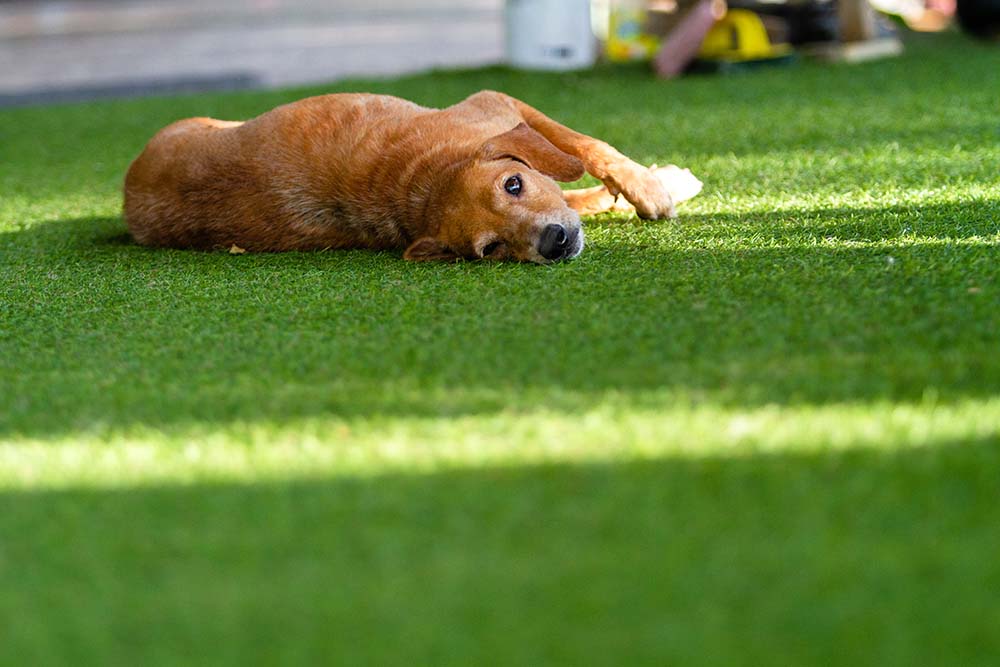
Every few months, it’s a good idea to deep clean artificial grass, especially if you host lots of outdoor gatherings or have multiple pets.
For best results, choose artificial grass cleaning products that are non-toxic, biodegradable, and designed for synthetic turf.
Over time, foot traffic and weather can cause grass blades to lay flat. This can make your lawn look worn out. To help blades stand upright, use a stiff-bristled broom or turf rake and brush against the grain of the grass. This lifts the fibers and keeps your artificial grass lawn looking full and natural.
Tip: Doing this once a month, or after a lot of activity on the lawn, helps maintain that fresh-from-the-install look.
Just like any part of your yard, synthetic grass benefits from seasonal care.
While cleaning artificial turf is fairly simple, there are a few common mistakes to avoid:
Stick with gentle, turf-safe solutions and tools to keep your lawn in great shape.
When choosing artificial grass cleaning products, look for options labeled as:
You can also make a basic turf cleaner using:
Spray the mix, scrub lightly if needed, and rinse well.
A little effort goes a long way in keeping artificial grass clean. With regular upkeep, your artificial grass lawn will stay beautiful, functional, and inviting all year round. Whether you’re dealing with pet waste, leaves, or just the occasional mess, these simple maintenance steps can help you get the most out of your investment.
If you’re still wondering about the best way to clean artificial grass or need help with your deep cleaning routine, reach out to the experts at NexGen Lawns. We’re always happy to help you care for your turf and keep it looking brand new.