

Article Summary:
If you’re thinking about replacing your lawn, you’ve probably heard of synthetic grass. It looks lush year-round, doesn’t need mowing, and can be installed just about anywhere. But is it the right choice for your home? In this guide, we’ll explore the artificial turf grass pros and cons to help you make an informed decision.
From artificial grass maintenance to its environmental impacts, we’ll break down everything you need to know before making the switch from real grass.
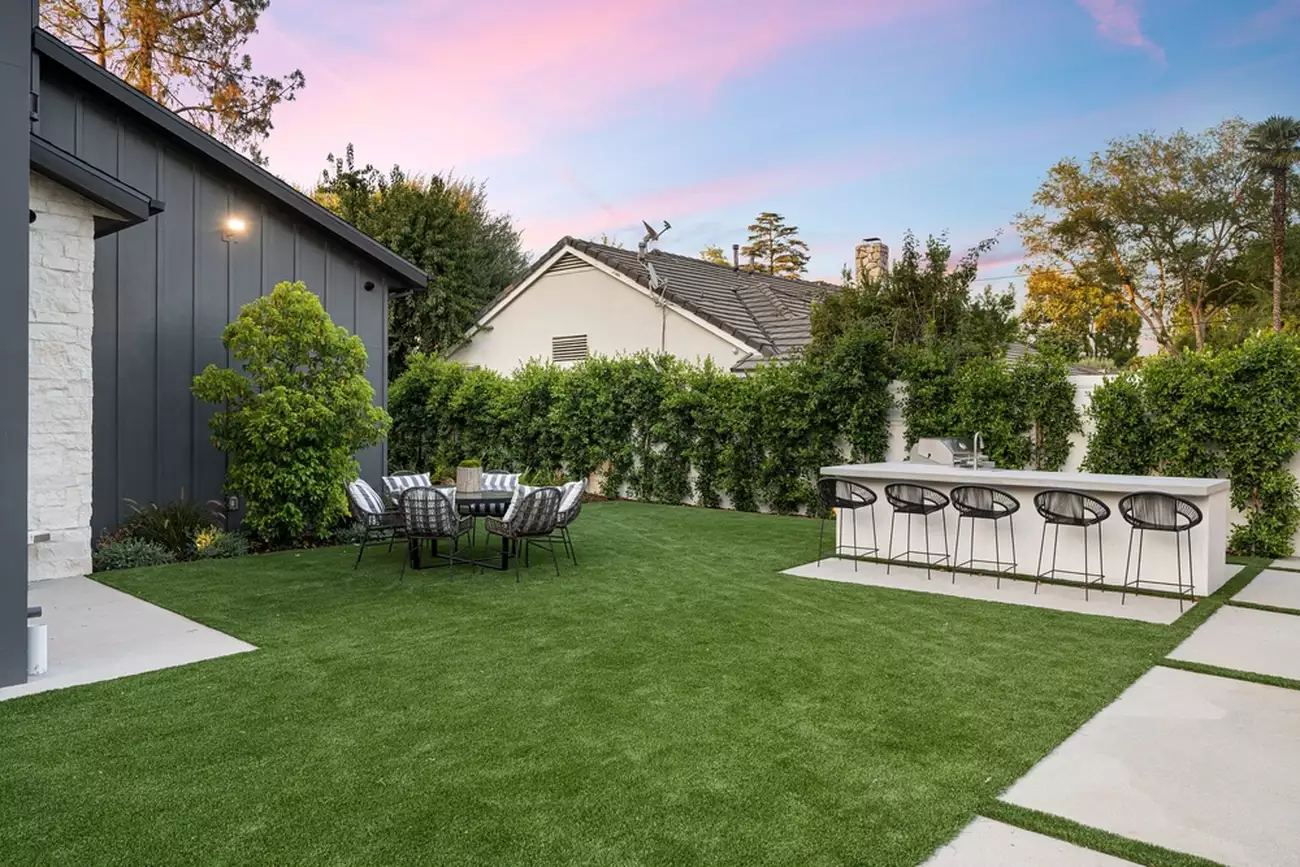
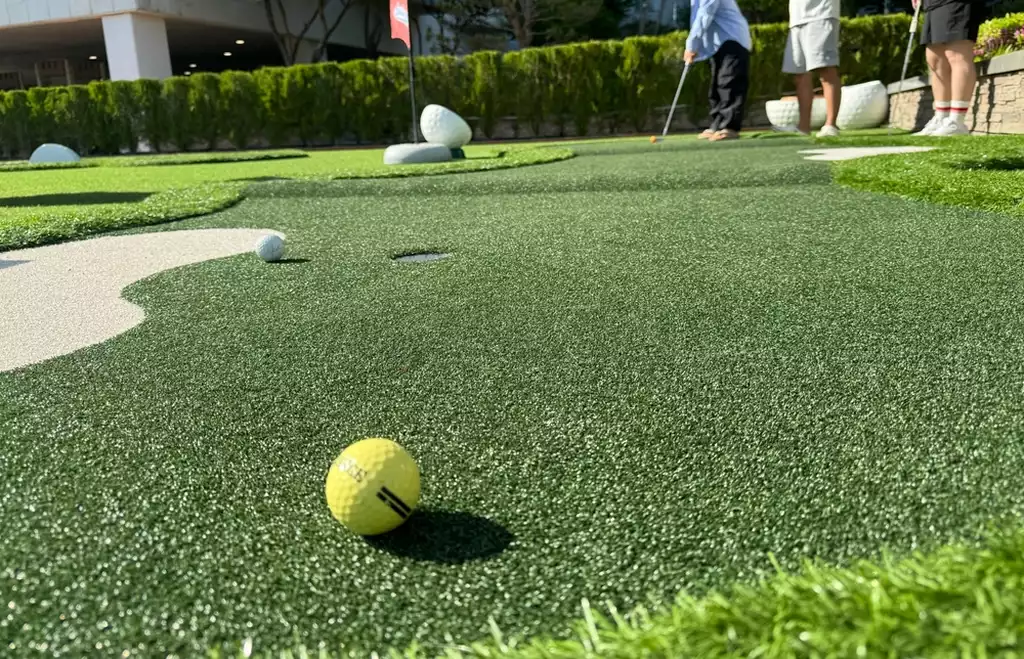
Artificial turf, or synthetic turf, is a surface made of synthetic fibers that mimics the look and feel of natural grass. It’s used in residential yards, high traffic areas, backyard putting greens, sports fields, and even indoor play zones. Modern eco-friendly grass options look impressively realistic—and come with their own set of benefits and drawbacks.
One of the biggest reasons homeowners choose artificial grass is the reduced maintenance costs. Unlike real grass, synthetic turf never needs mowing, watering, or fertilizing.
This makes it especially appealing for second homes or rental properties where regular upkeep may be a challenge.
Water requirements for natural grass can be staggering, especially in dry or drought-prone regions. Artificial grass saves water by eliminating the need for irrigation entirely.
According to the EPA, landscape irrigation accounts for nearly one-third of all residential water use. Most of that can be reduced or eliminated with eco-friendly grass alternatives.
Thanks to improvements in materials and manufacturing, today’s artificial grass durability is impressive. Quality turf can last 10–20 years with minimal wear.
It holds up to wear and tear far better than traditional lawns, especially in heavily used areas where real grass tends to turn to mud.
Modern turf is designed to be pet-friendly grass, meaning it’s safe, easy to clean, and durable enough to handle your furry friends.
Cleaning up after pets is also simple. Just hose it down and occasionally apply an enzymatic cleaner to neutralize odors.
Unlike real lawns that struggle in dry conditions, synthetic grass remains green and lush year-round. Its drought tolerance is ideal for regions with water restrictions or unpredictable rainfall.
No brown spots, dead patches, or dusty dry lawns—just a consistently beautiful yard.
While artificial turf has plenty of perks, it’s not without drawbacks. Here are some of the most commonly cited concerns when it comes to artificial turf grass pros and cons.
Installing artificial turf is an investment. The initial costs can be significantly higher than simply reseeding or laying sod.
While long-term maintenance costs are lower, the upfront price tag can be a barrier for some homeowners.
Synthetic turf tends to absorb and retain heat, especially under direct sunlight. On very hot days, it can become uncomfortable to walk on barefoot.
Still, if you’re in a hot climate, this can be a notable downside.
While artificial grass saves water, there are other environmental impacts to consider:
However, newer options aim to reduce these effects by using environmentally friendly or recyclable materials.
Unlike real grass, synthetic lawns don’t support local biodiversity. Natural lawns provide habitat for insects, birds, and soil organisms. Artificial turf removes that micro-ecosystem entirely.
If you’re aiming to create a pollinator-friendly or native garden, synthetic turf may not be the right fit.
Even though artificial grass maintenance is much easier than natural grass care, it’s not completely maintenance-free.
That said, it’s still far less time-consuming and expensive than mowing, fertilizing, and watering a real grass lawn.
Ultimately, choosing between real grass and synthetic grass depends on your goals, budget, climate, and values.
Weighing the artificial turf grass pros and cons is key to making the best choice for your lawn. Whether you prioritize beauty, water savings, or pet-friendly grass, synthetic turf can offer a long-lasting solution—just be sure to balance the advantages with any potential drawbacks.
If you’re ready to explore your options, NexGen Lawns offers environmentally friendly, high-performance turf for every application—from backyard putting greens to high traffic areas. Contact us today for a free quote or consultation.


